
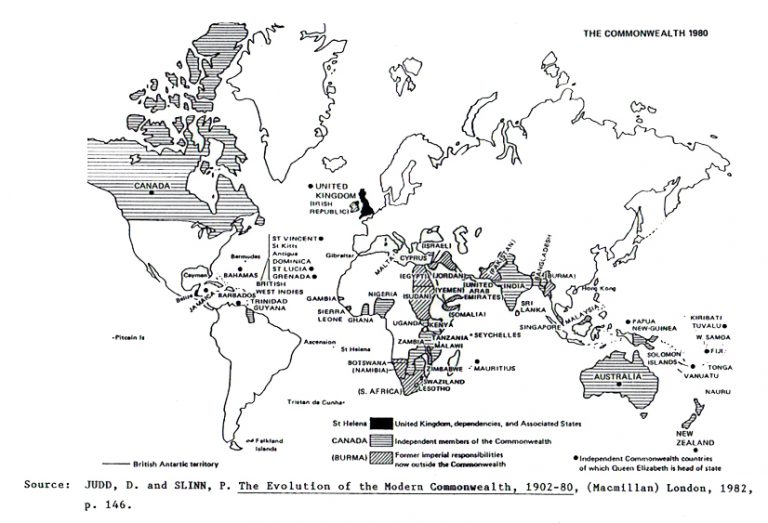
The Path to Independence The Indians set the example for the political independence of the developing world. The achievement of recognition as a nation for the Indians came after a long and difficult struggle, whereas similar achievement for the white colonies came much more easily. The Indians had been frustrated in their claim to Dominion status throughout the early twentieth century. It was the Japanese eruption into south-east Asia which brought many more political changes than the British political elite had ever contemplated in the 1930s. "The sudden and striking victory of the yellow man imposed a drastic rethinking as...
Read More

Power, and Elite Theories
Introduction As Samuel Huntington put it:" During the Cold War the most important political distinction among countries concerns not their form of government but their degree of government".1 France, West Germany, United Kingdom, and the Soviet Union have different systems of government, but in all four forums the government governs. It could be said that "the differences between democracy and dictator ship are less than the differences between those countries whose politics embodies consensus, community, legitimacy, organization, effectiveness, stability, and those countries whose politics is deficient in these qualities".2 In view of effectiveness of their government systems communist totalitarian states...
Read More
American Anti-Colonialism, and the Liquidation of the British Empire.
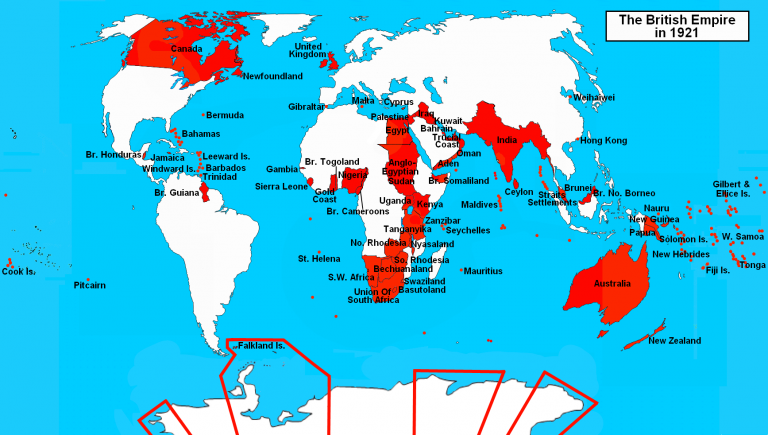
American Anti-Colonialism, and the Liquidation of the British Empire. Various Pressures on the British Empire: The Emergence of Pax Americana Imperial Defence Extraordinary though it may seem, in the mid-nineteenth century a small group of islands lying off the north-west coast of the continent of Europe constituted the leading nation in world affairs. Before the seventeenth century, however, "little England, perched precariously on the edge of the great landmass of Europe, had never been very noteworthy, except as the subject of occasional toing and froing by Teutonic and Gallic peoples. England was a centre neither of civilization, of military power...
Read More
The Imperial Political Elite Establishment’s Strategies for Protecting British Power
The Imperial Political Elite Establishment's Strategies for Protecting British Power and Interests in the Process of the Decolonization of the British Empire After WWII. In this article I shall be concentrating on the policy ideas and political attitudes of the British political elite during the decolonisation process, which led to the setting up of an institution incorporating the new nations and states, or the Modern Commonwealth, (excolonies) in Africa and Asia post-1945. The run-down of empire also produced other responses by the political elite, to safeguarding British interests, which will be elucidated. However, I start my investigation by looking at...
Read More

Conservative Imperial Political Elite Establishment in the Decolonisation Process of the British Empire
Conservative Imperial Political Elite Establishment in the Decolonisation Process of the British Empire The Labour Government of 1945-51's programme of decolonisation mainly took place in Asia, with India being the prime example. The Conservative administrations of 1951-63 were chiefly concerned with the African decolonisation process, with some exceptions. For the imperial decision-makers of the new Government in Britain, the process of granting full nationhood to the colonies in Africa was much more complicated than in the Asian colonies. African society was fragmented along tribal lines. For example, in Kenya there were about 110 separate native administrations that the British had...
Read More