

Theory of Elite It was in the seventeenth century that the word ꞌeliteꞌ was used for the first time. Its purpose was to describe "commodities of particular excellence; and the usage was later extended to refer to superior social groups, such as crack military units or the higher ranks of the nobility."1 According to the Oxford English Dictionary "the earliest known use of elite in the English language is in 1823 at which time it was already applied to social groups. Nevertheless, the phrase did not become widely used in social and political writing until late in the nineteenth century...
Read More
Post Imperial “Churchillian” Defence, and Economic British Foreign Policy
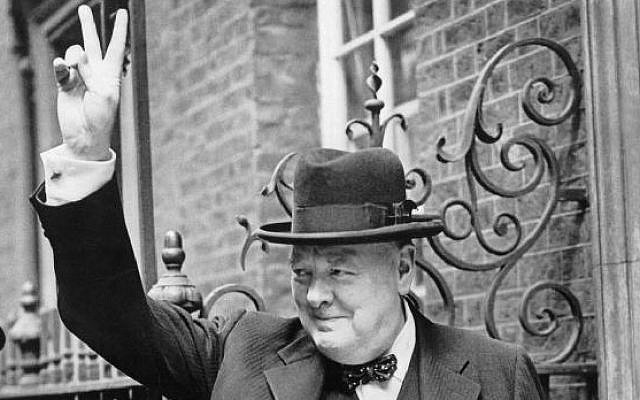
Post Imperial "Churchillian" Defence, and Economic British Foreign Policy Defence Policy for the Modern Commonwealth: The Anglo-American "Special Nuclear Relationship" Many ex-colonies joined the old Dominions, and the Modern Commonwealth was formed. Leopold Amery, the Colonial and Dominion Secretary of State between the two World Wars, wrote in 1953, "... other nations now outside [the Commonwealth] may well decide to join it in course of time."1 However, as F.S. Northedge has put it, "In the affluent society, nearly all but millionaires regard themselves as middle-class. Similarly, in international relations, the millionaire states, or super-powers, are easily distinguished – especially...
Read More
“Churchillian” Foreign Policy Since 1945: Imperial Establishment’s Ideological Adjustments to Managing British Power, and Interests in Post Colonial Britain.
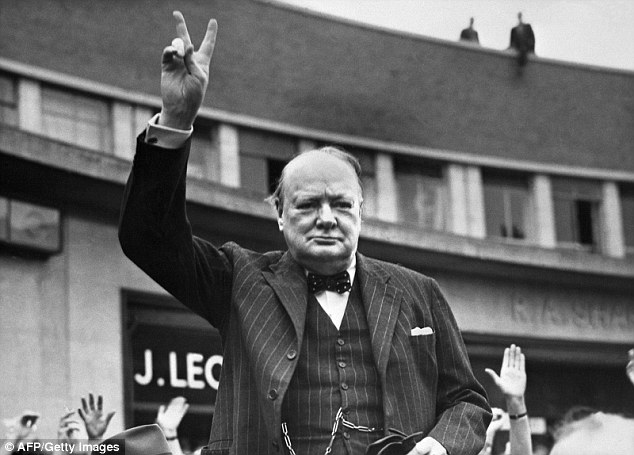
"Churchillian" Foreign Policy Since 1945: Imperial Establishment's Ideological Adjustments to Managing British Power, and Interests in Post Colonial Britain. The two World Wars each had a different impact on the British Empire. The First World War accelerated the ever growing rise of the British Empire, as the defeated mandated territories of the enemies became entrusted to Britain's care and also the relationship between Britain and her Empire stood its greatest test. This was demonstrated by the massive contribution that the Empire nations made to Britain's war effort. The white Dominions alone sent two and a half million soldiers to add...
Read More
Biography of the Leading Personalities of the British Imperial Political Elite Establishment, Presiding Over the Decolonisation Policy of the British Empire, and its Wider Implications
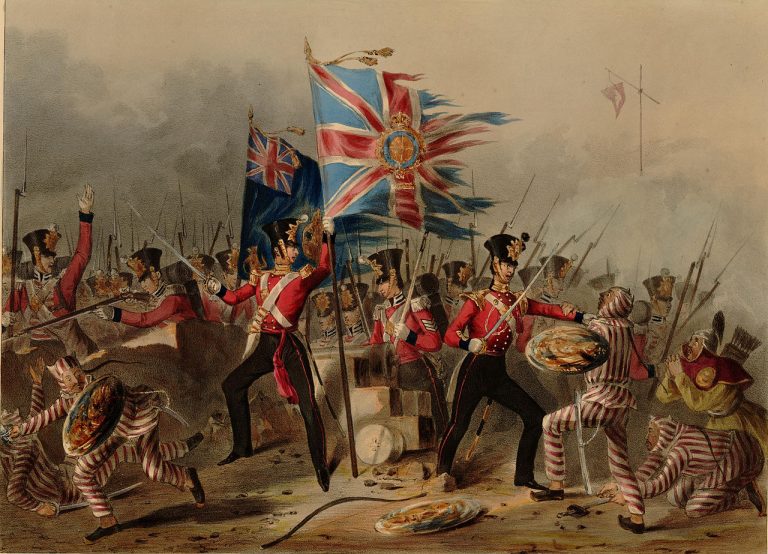
Biography of the Leading Personalities of the British Imperial Political Elite Establishment, Presiding Over the Decolonisation Policy of the British Empire, and its Wider Implications. Labour Party Attlee, Clement R. Prime Minister 1945-51. Clement Attlee entered legal chambers after Oxford University, but in 1905 became involved in the Haileybury boys' club in Stepney. In 1907 he became its resident manager. Toynbee Hall Settlement was another institution where Attlee served for a time as a secretary. Attlee's years in the East End of London changed him to a socialist. He joined the Fabian Society in 1907, however he thought it was...
Read More
The British Political Elite: Social, and Historical Context, and Background: The British Establishment.
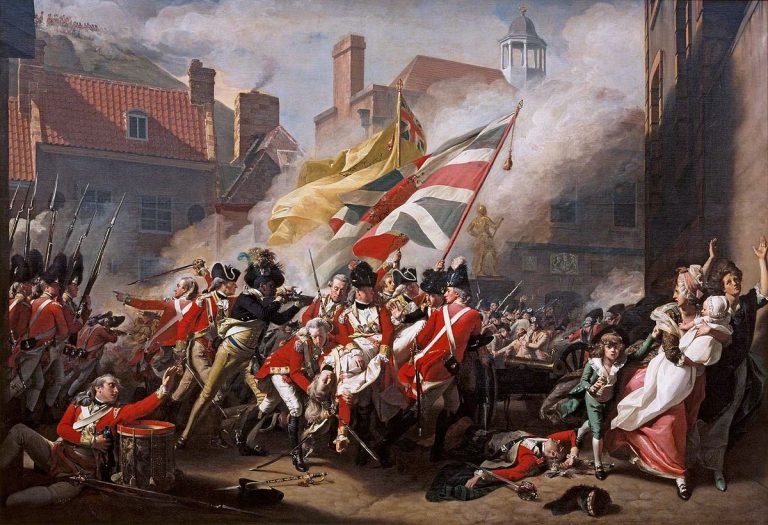
The British Political Elite: Social, and Historical Context,and Background: The British Establishment. As class and social structure has a direct impact on political life, it seems appropriate to start the discussion by giving an outline of the social structure of Britain and of its modern history. To begin with we shall define the nature of the state and nation. In the political sphere, constitution remains unwritten and probably unwritable, and contains large elements that are the effect and residue of long established custom and convention, rather than legal or executive recognition, and is completely open to amendment in every...
Read More