
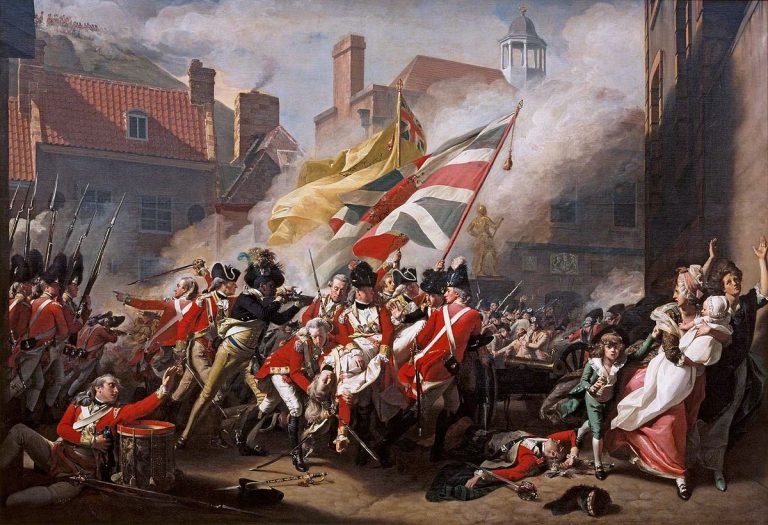
American Pressure on the British Empire for the Independence of India: American Financial Leverage on the Decolonisation of the British Empire. Financial Pressures on the British Empire "Individual British subjects were creating an informal empire of economic interests (alongside the existing formal empire)"1 and the British political elite saw no need for interference since not only was there no threat to Britain's industrial, trading or financial position, but more surplus capital for overseas investment was being accumulated, due to the activities of the traders and investors. "The empire of free trade, operating full-blown from the mid-nineteenth century onwards, looked well...
Read More
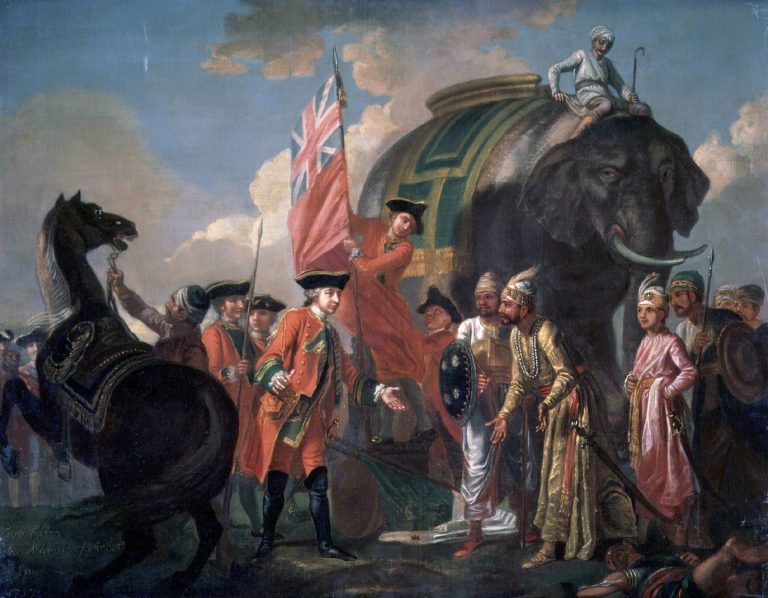
The British Imperial Expansion
The British Imperial Expansion Empire was advocated in the United Kingdom in the 1880s by Joseph Chamberlain in opposition to the "Little Englanders" who favoured a policy of isolationism. To defend his argument, Chamberlain declared that the expanding influence of France and Germany must be counterbalanced by the expanding influence of the United Kingdom. However, "the origins of the British Empire, like the form of it, were random."1 The British Empire goes back many centuries before the time of Chamberlain. It was only in the 1880s that the empire had reached its greatest extent. The British possessions overseas can be...
Read More
Labour Imperial Establishment, and Protecting British Power, and Interests in the Decolonisation Process: Bevinian Atlanticist View in A Bi-Partisan British Post WWII.
Labour Imperial Establishment, and Protecting British Power, and Interests in the Decolonisation Process: Bevinian Atlanticist View in A Bi-Partisan British Post WWII. Foreign Policy of Under American Nuclear Defence Umbrella. The 'Allies' had defeated Japan in the Far East, and Germany in Europe. Invading American, British and Soviet armies had liberated Eastern Europe and Western Europe. Resistance forces within the European countries themselves had played an important role in the victory. "Britain, its Empire, and all that it stood for had won through. 'If the British Empire, and its Commonwealth last for a thousand years men will still say this...
Read More
The Anglo-American”Special Nuclear Relationship”: The Origin of Contemporary British Bi-Partisan Defence Strategy
The Anglo-American"Special Nuclear Relationship": The Origin of Contemporary British Bi-Partisan Defence Strategy. Defence Policy for the Modern Commonwealth: The Anglo-American "Special Nuclear Relationship": Many ex-colonies joined the old Dominions, and the Modern Commonwealth was formed. Leopold Amery, the Colonial and Dominion Secretary of State between the two World Wars, wrote in 1953, "... other nations now outside [the Commonwealth] may well decide to join it in course of time."1 However, as F.S. Northedge has put it, "In the affluent society, nearly all but millionaires regard themselves as middle-class. Similarly, in international relations, the millionaire states, or super-powers, are easily...
Read More

British Imperial Defence, and Power
British Imperial Defence, and Power British Imperial Defence Extraordinary though it may seem, in the mid-nineteenth century a small group of islands lying off the north-west coast of the continent of Europe constituted the leading nation in world affairs. Before the seventeenth century, however, "little England, perched precariously on the edge of the great landmass of Europe, had never been very noteworthy, except as the subject of occasional toing and froing by Teutonic and Gallic peoples. England was a centre neither of civilization, of military power nor of economic importance."1 Feeling so threatened, the English had to make strong efforts...
Read More