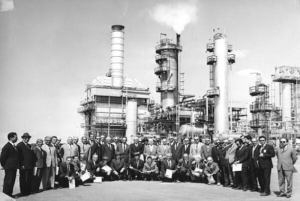
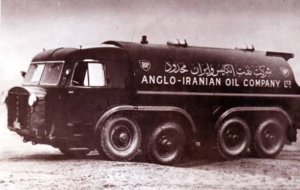
۱۹۴۸: دولت کارگر بریتانیا و آغاز چرخهی بحرانِ شرکت نفت انگلیس–ایران.
مخالفت حزب کارگر با تصاحب مستعمرات میان قدرتهای جهانی به ایجاد یک پایه از اعتماد میان بریتانیا و رهبران ملیگرا کمک کرد.
این بررسی بهوضوح نشان میدهد که حزب کارگر بهطور آشکار ایدئولوژیک است. این حزب بر لزوم برابری تأکید دارد، برابری میان طبقات اجتماعی و نژادها. حزب کارگر بر برابری فرصتها و حتی برابری یا تقریباً برابری در پاداشها تأکید میکند. تشویق اجتماعی در اولویت بالایی برای حزب کارگر قرار دارد. این حزب حامی گسترش مالکیت عمومی و یا کنترل دولتی است. 56 در سیاست خارجی، حزب کارگر «بسیار کمتر از هر دولت محافظهکاری در مورد کاهش هزینههای دفاعی و بستن پایگاههای خارجی تردید دارد».همچنین، حزب کارگر «محلی و شدیداً ضد استعماری است».57در آستانه انتخابات عمومی 1951، مطبوعات بریتانیا بر این باور بودند که حزب کارگر «در جنوب آسیا به تعادل دست یافت، در حالی که در خاورمیانه شکست خورد ».58
این دیدگاه توسط نیو استیتسمن، که از حامیان حزب کارگر بود و بعدها به منتقد سرسخت سیاستهای خاورمیانههای آن تبدیل شد، بیان شد.
فاصلههای میان ایدهها و عمل سیاسی وجود دارد. بحران شرکت نفت انگلیس و ایران حزب کارگر را با مجموعهای از مشکلات اقتصادی روبهرو کرد که نیازمند توجه ویژه آن حزب بود. این بحران مسئلههای بود که بهطور موقتی بر وضعیت اقتصادی داخلی بریتانیا تأثیر میگذاشت و بنابراین مسألهای نبود که به ترویج امپریالیسم یا نمایش پرچم امپراتوری مرتبط باشد، بلکه موضوعی بود که به منافع ملی داخلی مربوط میشد.
پـــاورقی
PRO London, CAB 129/47 CP (51) 257, Memorandum by Herbert Morrison on the dispute with Persia, secret, 26th September, 1951.Ibid.bid.pp.2-3.Ibid. by the order of the Shah in 1935 , Persia became known as Iran . The Anglo – Persian Oil Company (APOC) became the Anglo – Iranian Oil Company (AIOC) .F. ESHARAKI, Development of the Iranian Oil Industry: International and Domestic Aspects, (London: Praeger Publishers, 1976), Chapter 3.J. MARLOW, The Persian Gulf in the Twentieth Century, (London: The Cresset Press, 1962) , Chapter 10.Ibid., Chapter 9, 10, 12,13.A.SCHLAIM, P. JONES and K. SAINSBURY, British Foreign Secretaries since 1945, (Newton Abbot: David & Charles, 1977), p.38.M.BARRAT-BROWN, After Imperialism, (London: Heinemann, 1963), p.294.Ibid.B.PORTER, The Lion’s Share, (London: Longman, 1984), p.314.Ibid. B.PORTER, The Lion’s Share, (London: Longman, 1984), p. 314.PRO, London, F0371/68731, General Political Correspondence of the Foreign Office, Economic Relation Department of the Foreign Office on the royalties paid by AIOC to the Persian Government, 20th September 1948.PRO, London, F0371/68731, General Political Correspondence of the Foreign Office. AIOC negotiations with the Persian Government,9th February 1949.PRO , London , CAB 129/47 CP ( 51 ) 257 , Memorandum by Herbert Morrison on the dispute with Persia , Secret , 26th September 1951 , p.3 .Ibid, p.4.Ibid.Ibid.Ibid.PRO , London , FO of 371/82374 , General Political Correspondence of the Foreign Office , Sir Frances Shepherd , British Ambassador in Teheran to the Foreign Office , on negotiations between AIOC and the Persian Government , 21st April 1950 .For a study of the Iranian side of events , see J.A. BILL and W. R. LOUIS, Musaddiq, Iranian Nationalism and Oil, (London: I.B. Tauris and Co. Ltd, Publishers, 1988).Ibid. chapter 1,2.M.A. HEISS, The United States, Great Britain and Iranian Oil, 1950-1954, Ph.D. Thesis, The Ohio State University, 1991, p.42.Ibid., p.43. Ibid. Ibid., p.45.Ibid., p.47.Ibid., p.49.PRO, London, FO371 / 91535 / EP1531, The General Political Correspondence of the Foreign Office, Sir Francis Shepherd, British Ambassador in Teheran, to the Foreign Office, Confidential, 14thMay 1951.PRO, London, FO371 / 91599, The General Political Correspondence of the Foreign Office, Sir Donald Fergusson, the Permanent Under Secretary of the Ministry of Fuel and Power, to Richard Stocks, who knew the region at first hand through his engineering firm, Ransome and Rapier, Tom Secret, Private and Personal, 3rd October 1951.J.A. BILL and W.R. LOUIS, Musaddiq, Iranian Nationalism and Oil, (London: I.B. Tauris and Co. Ltd., Publishers, 1988), pp. 229-230.B. LAPPING, End of Empire, (London: Paladin Grafton Books, 1989), p.261.Parliamentary Debates, Commons, Vol. 487, Cols. 1006- 1014, lst May 1951 in H. ENAYAT, British Public Opinion and the Persian Oil Crisis from 1951 to1954, M. Sc. Econ. Thesis, University of London, 1958, p.110.Parliamentary Debates, Lords, Vol. 172, Col. 681, 5th July 1951, in ibid, p.103.PRO, London, CAB 128/19 CM (51) 37th Conclusions, Minute 3, 5th July 1951, p.96.PRO, London, CAB 129/46 CP (51) 212, Memorandum by Herbert Morrison on Persia, Secret, 28th July 1951, p. 1.PRO, London, CAB 128/19 CP (51) 37th Conclusions, Minute 3, 5th July 1951, p.33.PRO, London, CAB 128/20 CM 60 (51) Conclusions, Minute, 27th September 1951.B. LAPPING. op. cit. p. 264.L.P. ELWELL – SUTTON, Persian Oil: A Study in Power Politics, (London: Lawrence and Wishart Ltd. , 1955), p. 258.Ibid.The New Statesman, 13th October 1951, in W.R. LOUIS, The British Empire in the Middle East, 1945-1951, (Oxford: Oxford University Press, p. 738.The Daily Mirror, (no date given), in ibid.Ibid.C. J. BARTLETT, A History of Post-War Britain, 1945-1974, (London: Longman, 1977), p.24.Ibid.Ibid.D. JUDD and P. SLINN, The Evolution of the Modern Commonwealth 1902-80, (London: Macmillan, 1982), p.87.V. ALBERTINI, Decolonization, (London: Africana Publishing, 1982), p. 115.Ibid.Ibid.Ibid.Ibid.S. E. FINER, Comparative Government, (Middlesex: Penguin, 1970), p.165.Ibid, p.23.The New Statesman, in W. R. LOUIS, op. cit. p.738[/vc_column_text][/vc_column][/vc_row]